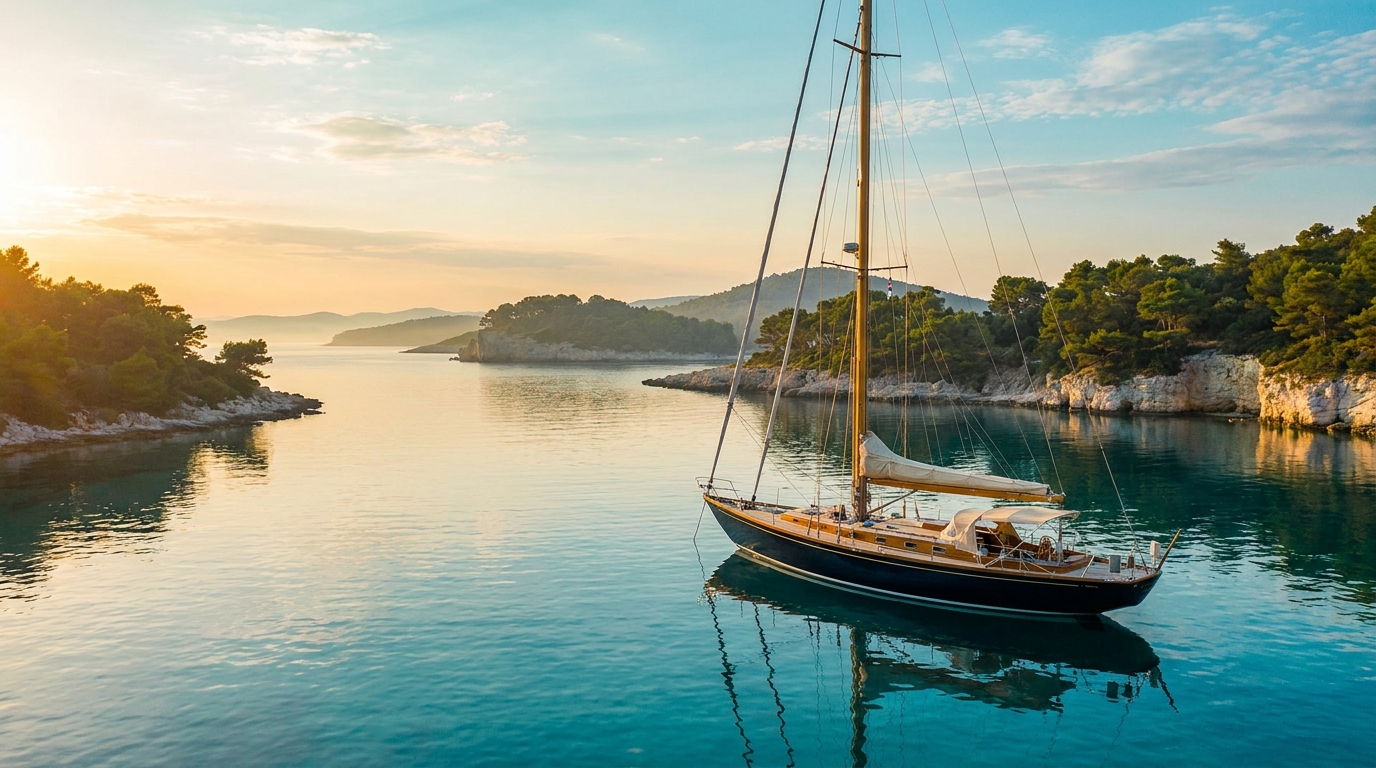

Why sail here
The United States gives you three sailing grounds with almost nothing in common. The Chesapeake is a shallow, sheltered estuary with hundreds of creeks and a working-boat history you can still smell in the crab shacks. Florida is warm water, coral, and short hops to islands and reefs. California is open Pacific — cooler, bigger swell, and a coastline that rewards planning. You pick the coast that matches the sailing you want, not the other way round.
What ties them together is space. American anchorages tend to be broad, marinas are used to transient boats, and the paperwork for chartering here is lighter than most of Europe. You can sail all three grounds without a formal skipper's licence, though you'll need to show experience. It's a good country to sail if you want room to move and don't want a bareboat handover that feels like an exam.
The Chesapeake
The Chesapeake Bay is the largest estuary in the country and the heart of American sailing. It runs roughly 200 miles north to south, fed by dozens of rivers, and the sailing is protected almost everywhere. Depths are shallow — you watch the chart constantly, and grounding on soft mud is a normal part of the day rather than a disaster. Annapolis is the natural base: a compact colonial harbour, a serious sailing town, and easy provisioning.
From Annapolis you can reach the Wye River, St Michaels, Oxford and the Solomons in day sails. The Eastern Shore is quieter, flatter, full of blue crabs and small towns that haven't changed much. This is gentle, forgiving cruising — good for families, good for people building confidence. It is less good if you want to feel the ocean; you won't, and that's the point.
Florida
Florida gives you warm water and two coasts. The Florida Keys stretch south-west from Miami in a chain of low islands, with the only living coral reef in the continental US just offshore. Sailing here is turquoise-water, short-passage cruising: Key Largo to Islamorada to Marathon, snorkelling stops, and shallow banks that keep you honest on depth. Biscayne Bay near Miami is a large, protected sailing area in its own right.
The wind is reliable and the season is long, but hurricane season shapes the calendar — more on that below. Florida suits people who want sun, swimming and reef over technical sailing. Anchorages fill in the popular Keys, and holding can be patchy on hard sand, so you learn where the good sand is or you take a mooring ball in the protected areas.
California
California is the serious-sailing option. The stretch between Los Angeles and San Diego, and out to the Channel Islands, is proper Pacific water — cooler, with real swell and afternoon breeze that builds. The Channel Islands off Santa Barbara are the highlight: Santa Cruz, Anacapa and Catalina, with kelp forests, sea lions and anchorages that need care in a swell. Catalina's Avalon and Two Harbours are the usual overnight stops.
This coast asks more of you. Fog is common in early summer, water is cold enough for a wetsuit, and passages are longer with fewer bailout harbours. If you have miles under your keel and want somewhere that feels like open ocean without crossing one, California delivers. First-time charterers are better served by the Chesapeake or Florida.
Season and winds
The Chesapeake sails April to November. May, June, September and October are the best months — steady 10 to 15 knot breezes and comfortable temperatures. July and August bring heat, humidity, light mornings and the chance of afternoon thunderstorms that build fast and pass quickly; you learn to watch the western sky. Winter shuts the bay down.
Florida is a winter and spring destination. December to April is the sweet spot: dry, warm, reliable easterly trade winds around 12 to 18 knots. Summer is hot, wet and, crucially, hurricane season runs June to November, peaking August–September. We plan Florida charters around the December-to-May window and treat late-summer bookings with caution.
California sails best May to October. Afternoon thermal breeze fills in most days, often 12 to 20 knots by early afternoon, calmer in the mornings. Early summer fog ("June gloom") can sit on the coast for days. The water stays cool year-round out of the California Current.
Charter types and costs
Across the three grounds you'll find monohulls and catamarans, roughly 35 to 50ft, available bareboat if you can show experience or skippered if you'd rather sit back. Crewed charters with a hostess or cook are more common in Florida and California than the Chesapeake. Half-day and day sails are widely available, particularly out of Annapolis and San Diego.
Costs vary by coast and season, so treat these as ranges. A bareboat monohull typically runs from the low four figures EUR per week off-peak; catamarans and peak-season dates cost more. Skippered charters add a skipper's day rate. Fuel, marina fees, an end-of-charter clean and any provisioning sit on top. California and peak-season Florida sit at the higher end. For firm numbers on a specific boat and week, ask us on WhatsApp and we'll quote — Price on request where we can't stand behind a figure.
A week on the Chesapeake
Day 1 — Board at Annapolis, provision, and shake down with a short sail out into the bay. Anchor for the night in the Rhode River, a quiet, well-protected creek.
Day 2 — Cross to St Michaels on the Eastern Shore. Maritime museum, good crab, easy town to walk.
Day 3 — Short hop to Oxford, one of the oldest towns on the bay. Take the cable ferry, eat on the water.
Day 4 — Sail up the Wye River and anchor deep in the trees. No towns, no crowds, just herons and the odd fishing skiff.
Day 5 — Head south to the Solomons, a larger harbour with room to relax and reprovision.
Day 6 — Work back north, picking a creek off the West River to anchor for a last quiet night.
Day 7 — Morning sail back to Annapolis, clean up and hand over. Distances are short, so this route flexes easily around weather.
Getting there
For the Chesapeake, fly into Baltimore/Washington (BWI), Washington Dulles or Reagan National; Annapolis is a 30 to 60 minute drive from all three. For the Florida Keys, fly into Miami and drive down the Overseas Highway, or into Key West at the far end. California charters run from San Diego or the Los Angeles area, both well served by international flights.
Most visitors need an ESTA (or a visa) to enter the US — sort this before you travel, not at the gate. There's no national sailing licence, but the charter company will want a sailing CV and often a checkout sail before a bareboat handover. Tell us your experience honestly when you enquire on WhatsApp and we'll match you to the right coast, boat and charter type.
Live fleet
Yachts available in USA.
22 yachts
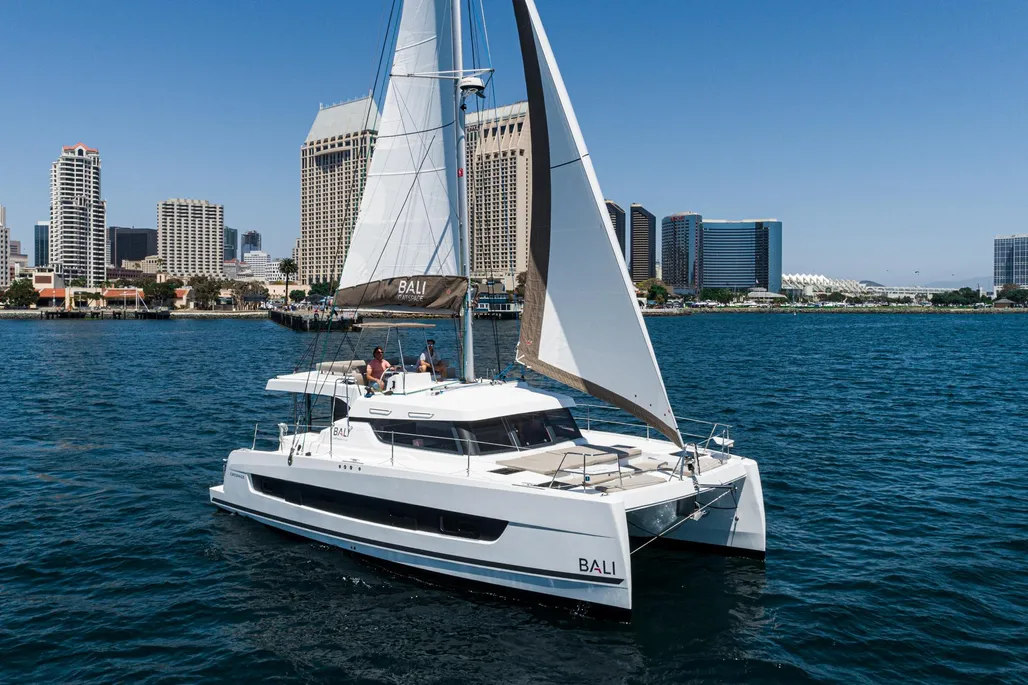
Relentless
Bareboat
San Diego, USA
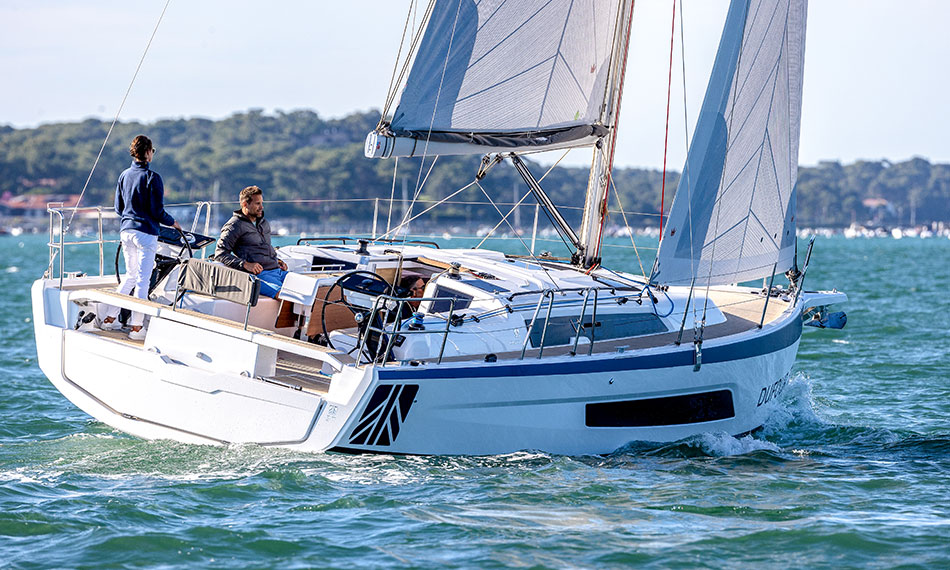
Miss Daisy
Bareboat
Annapolis, USA
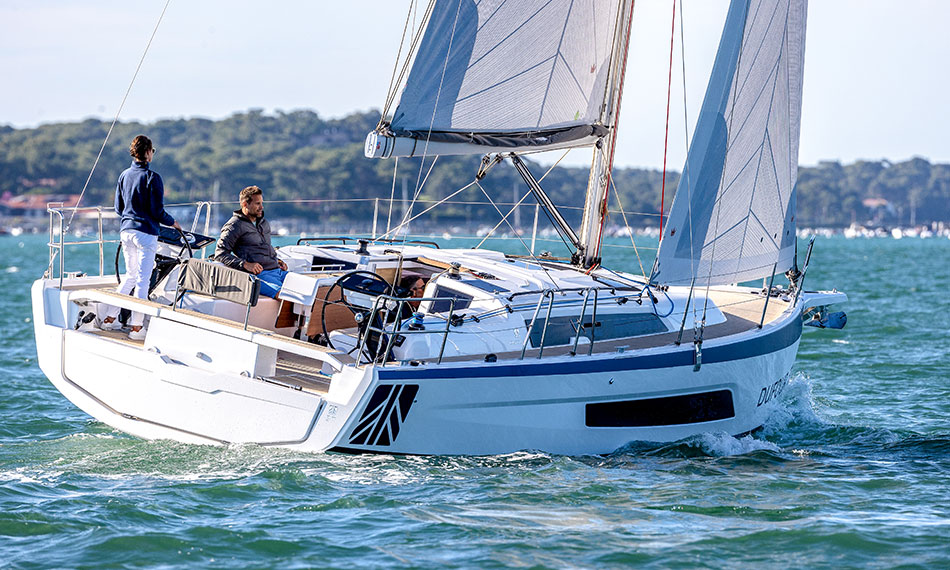
Kris Cros
Bareboat
San Diego, USA
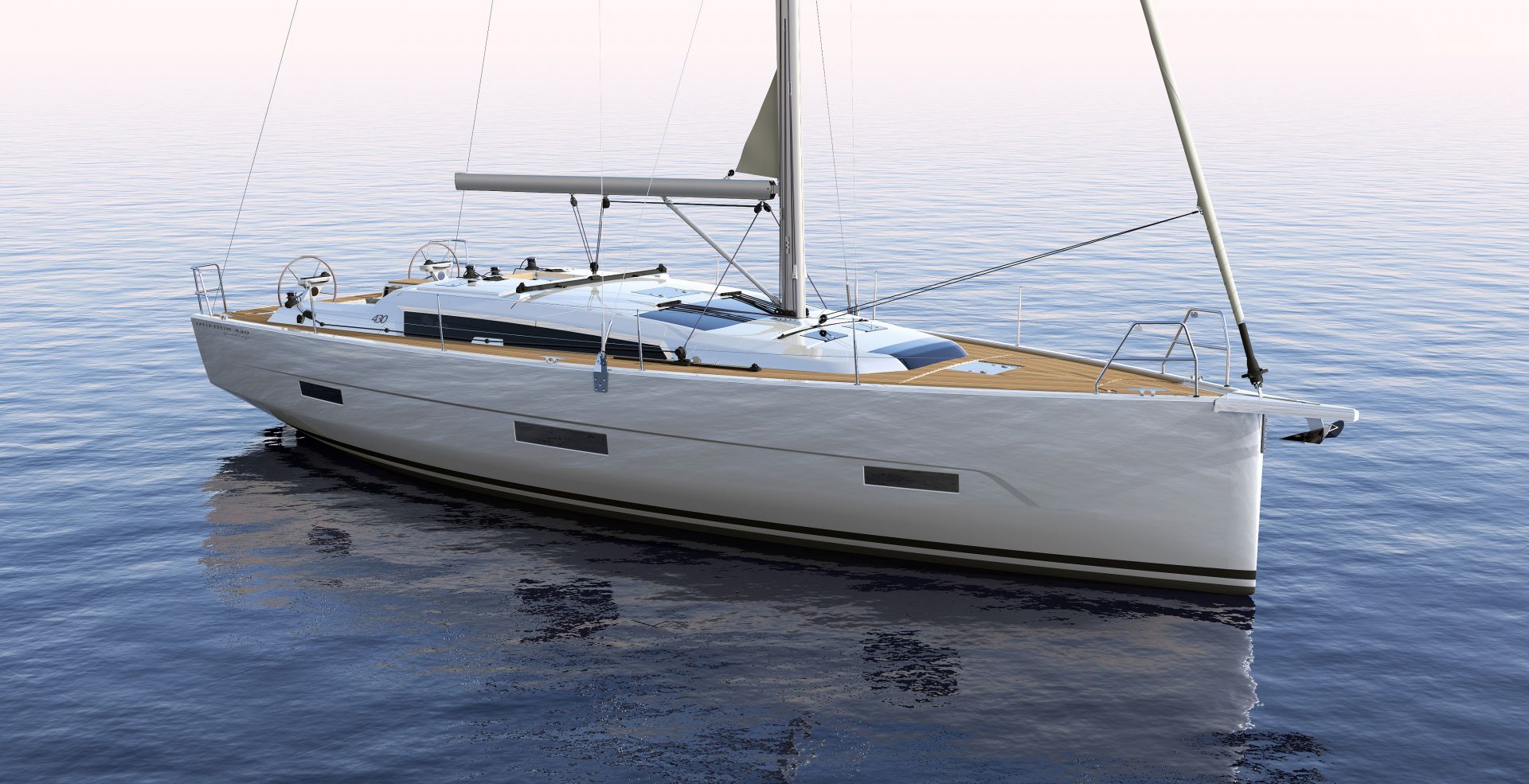
Opportune Moment
Bareboat
Annapolis, USA
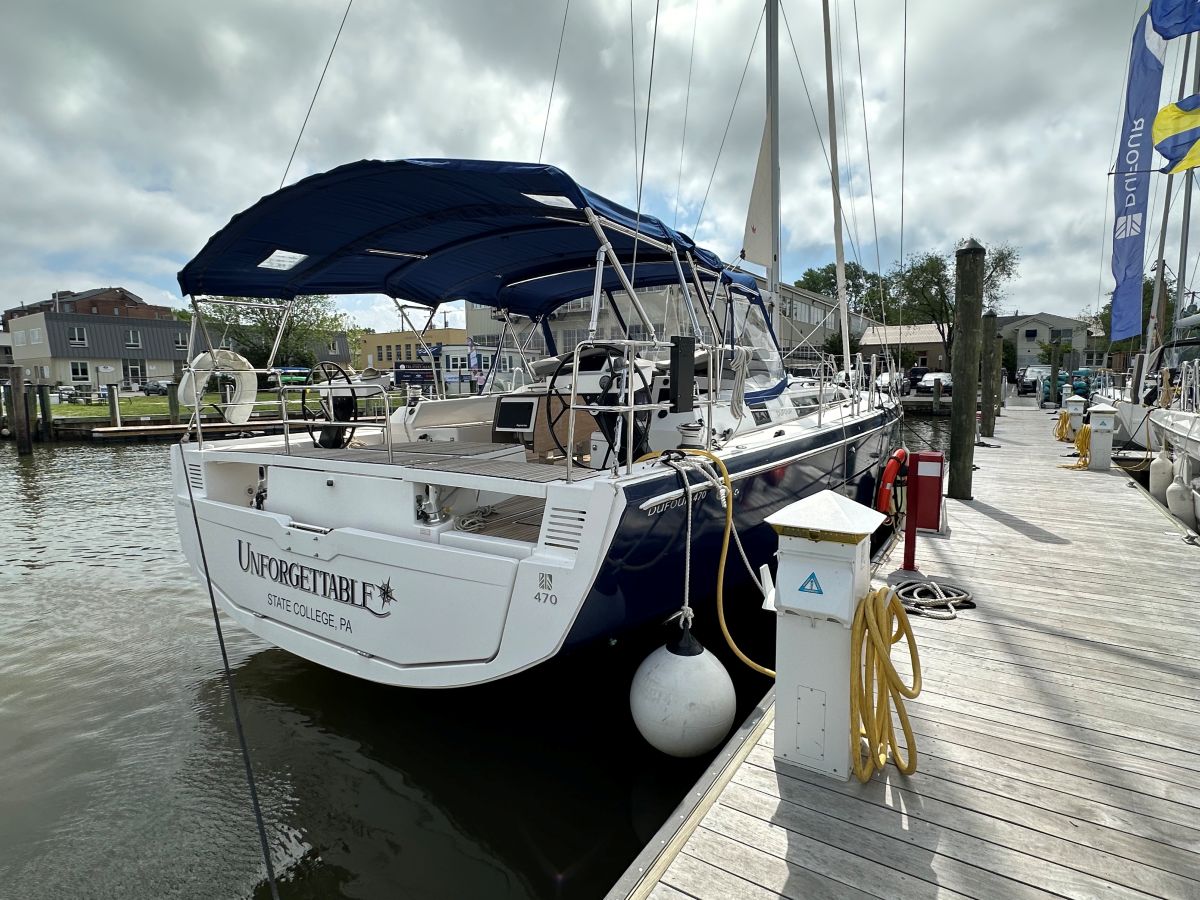
Unforgettable
Bareboat
Annapolis, USA
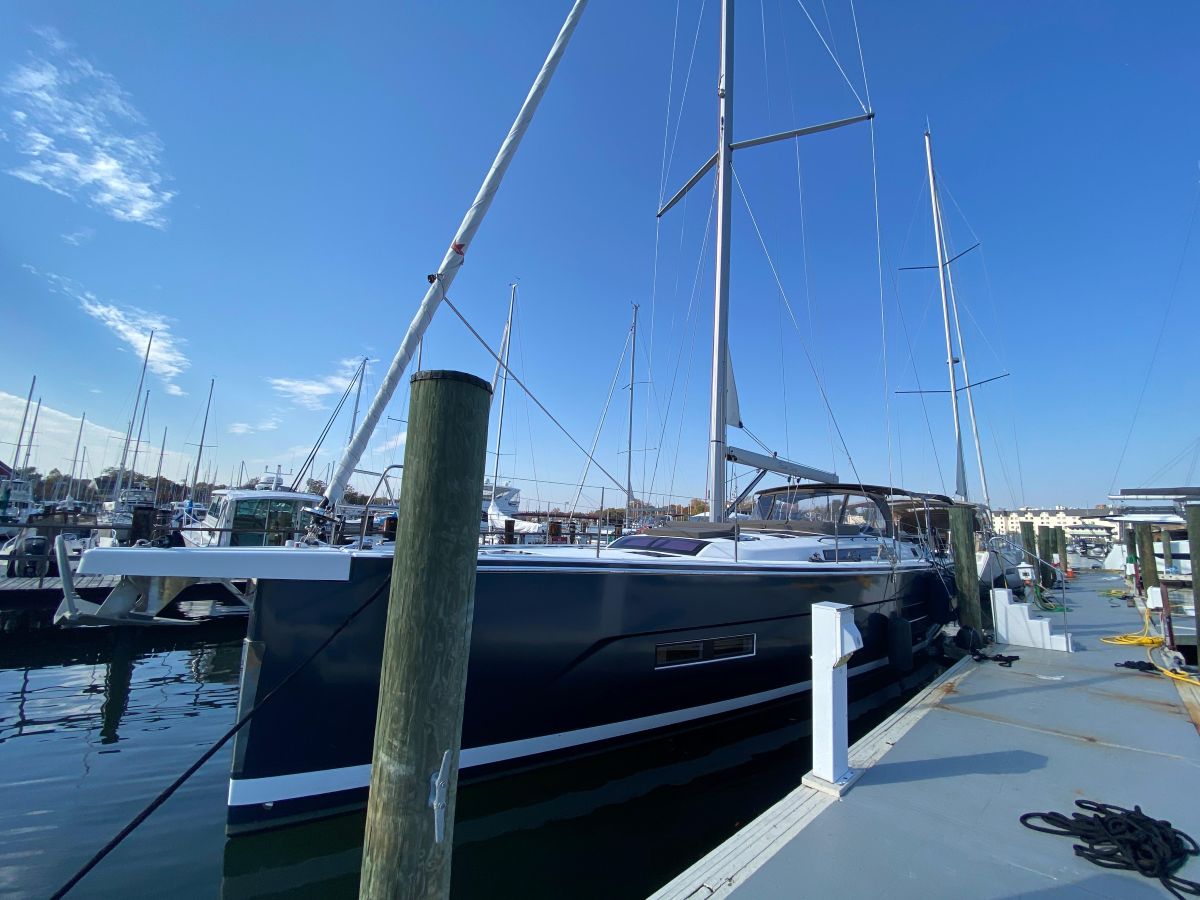
Liliana Bella
Bareboat
Annapolis, USA
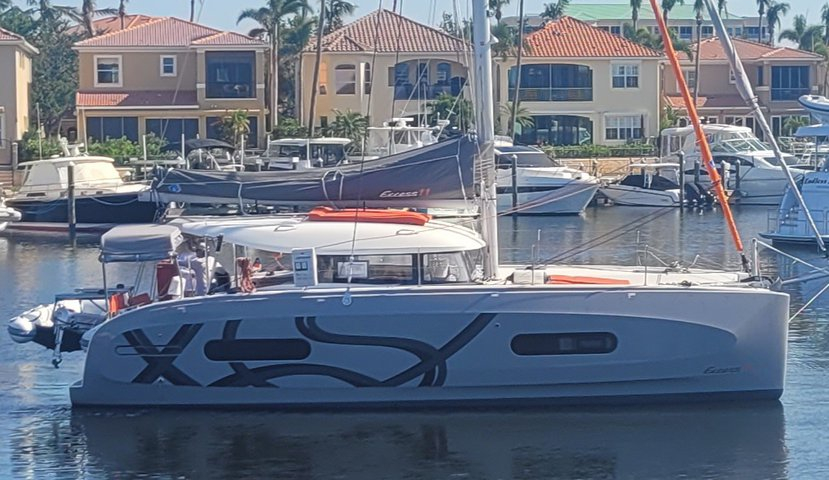
Angion
Bareboat
Burnt Store Marina, USA
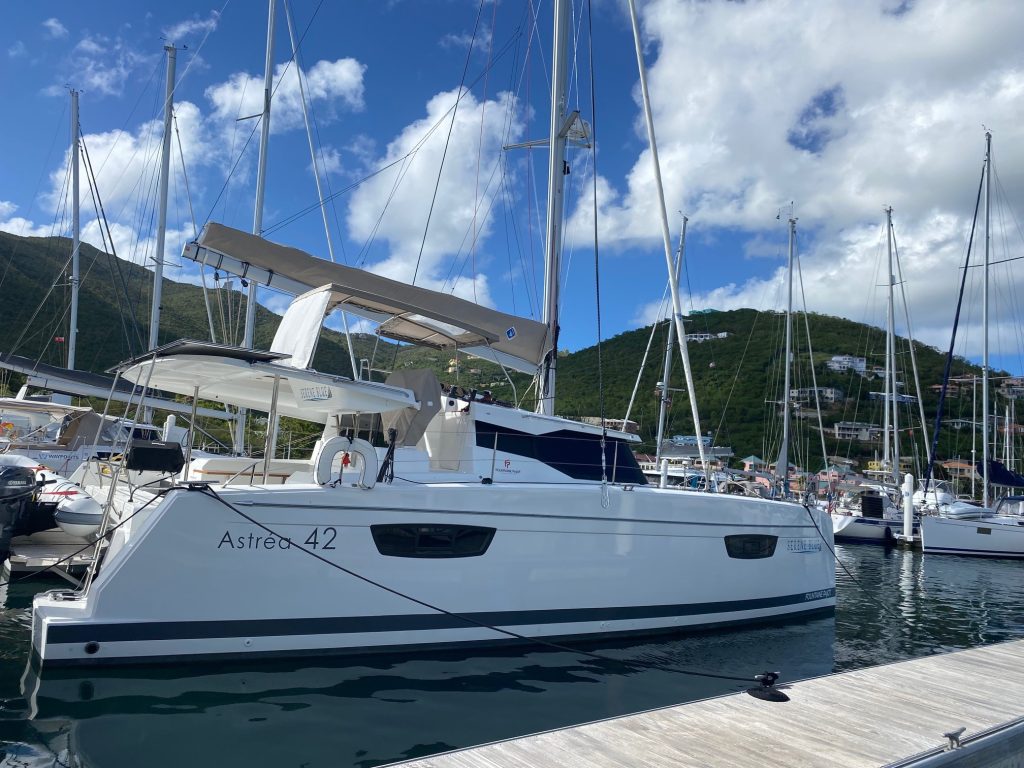
Serene Blue
Bareboat
Annapolis, USA
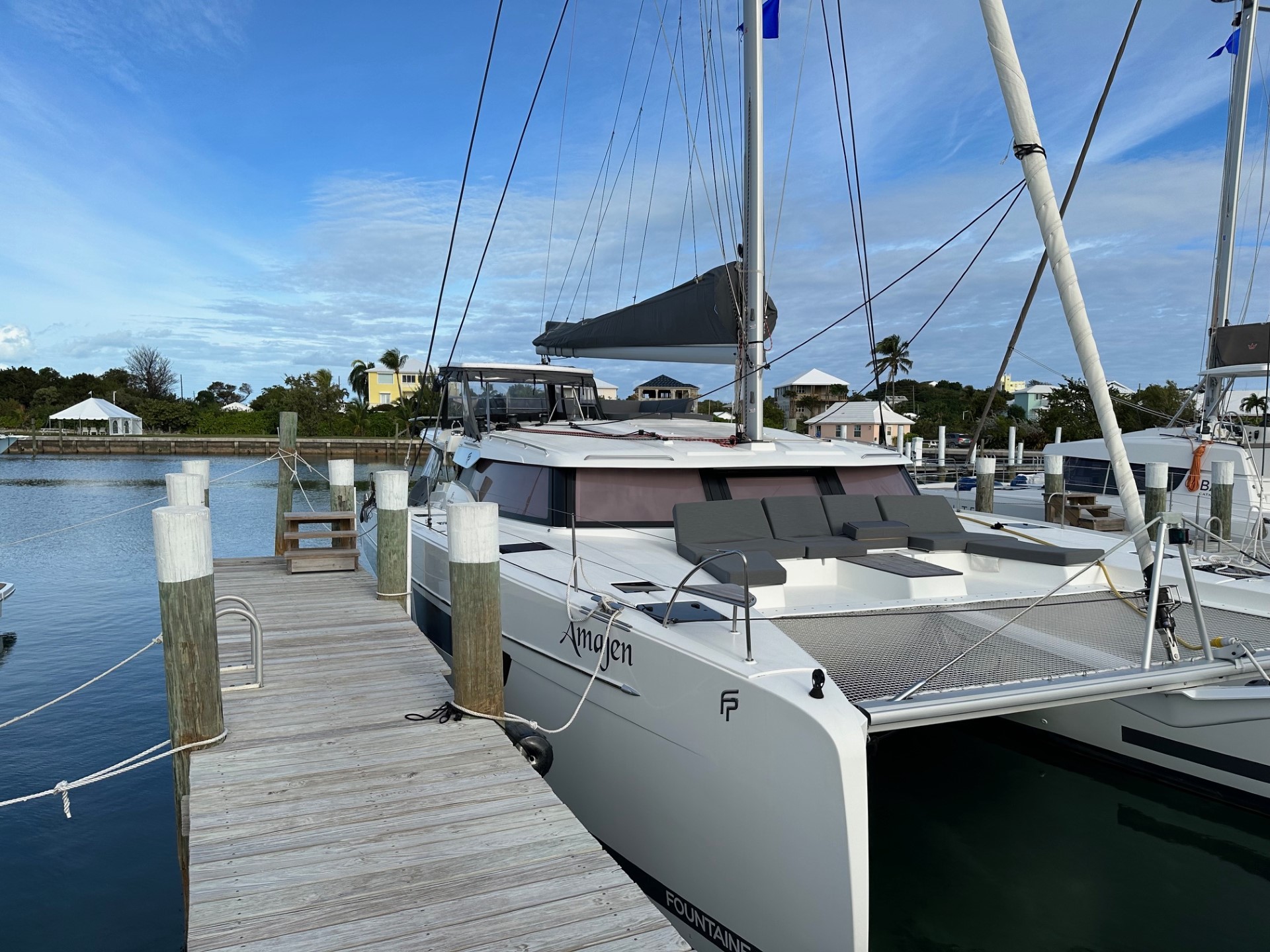
Amajen
Bareboat
Annapolis, USA
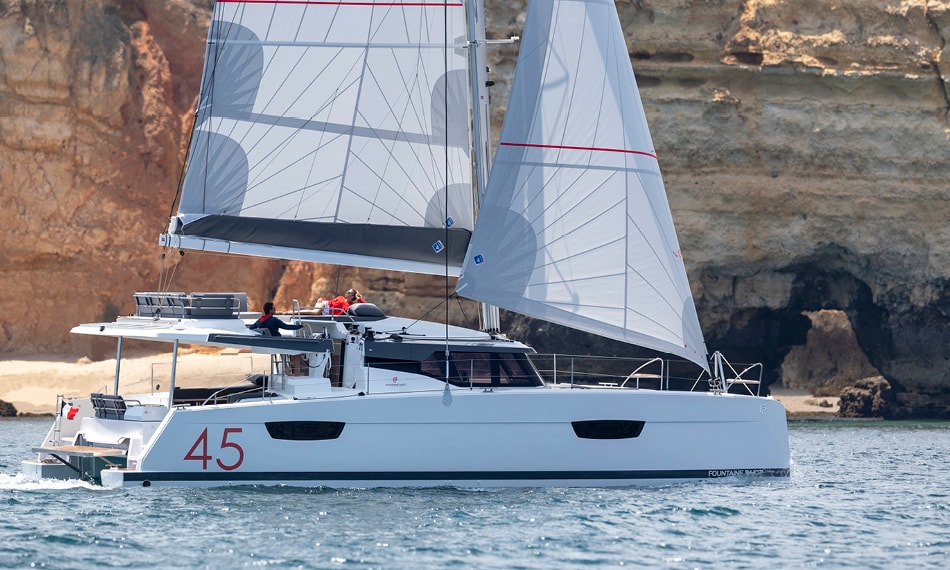
White Bird
Bareboat
San Diego, USA
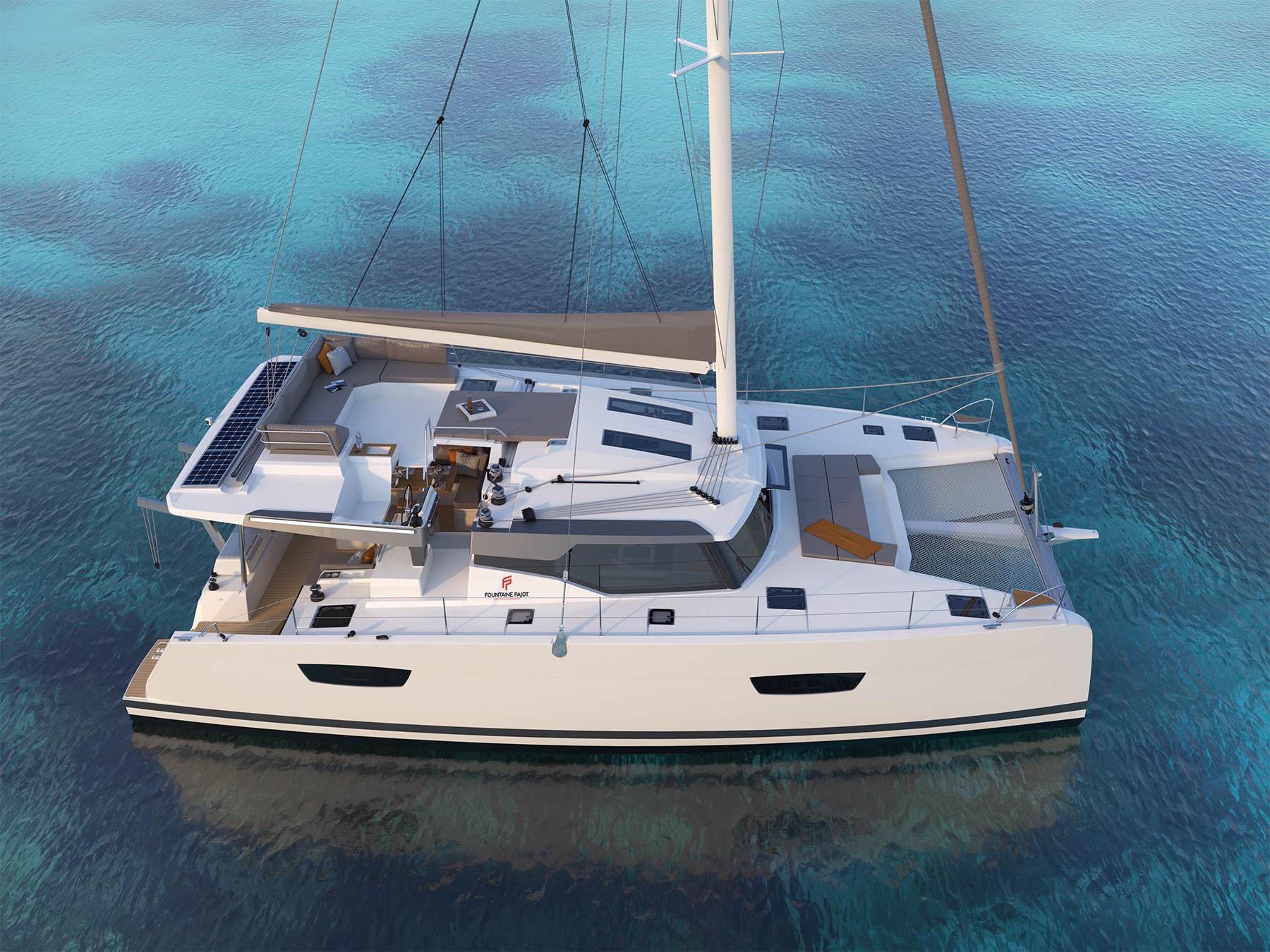
Mali Havana
Bareboat
Key West, USA
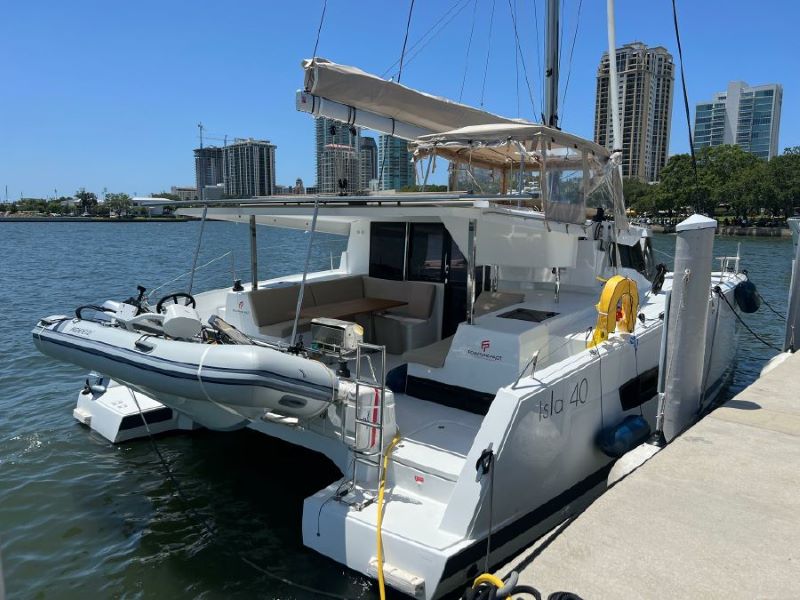
Second Wind
Bareboat
Annapolis, USA
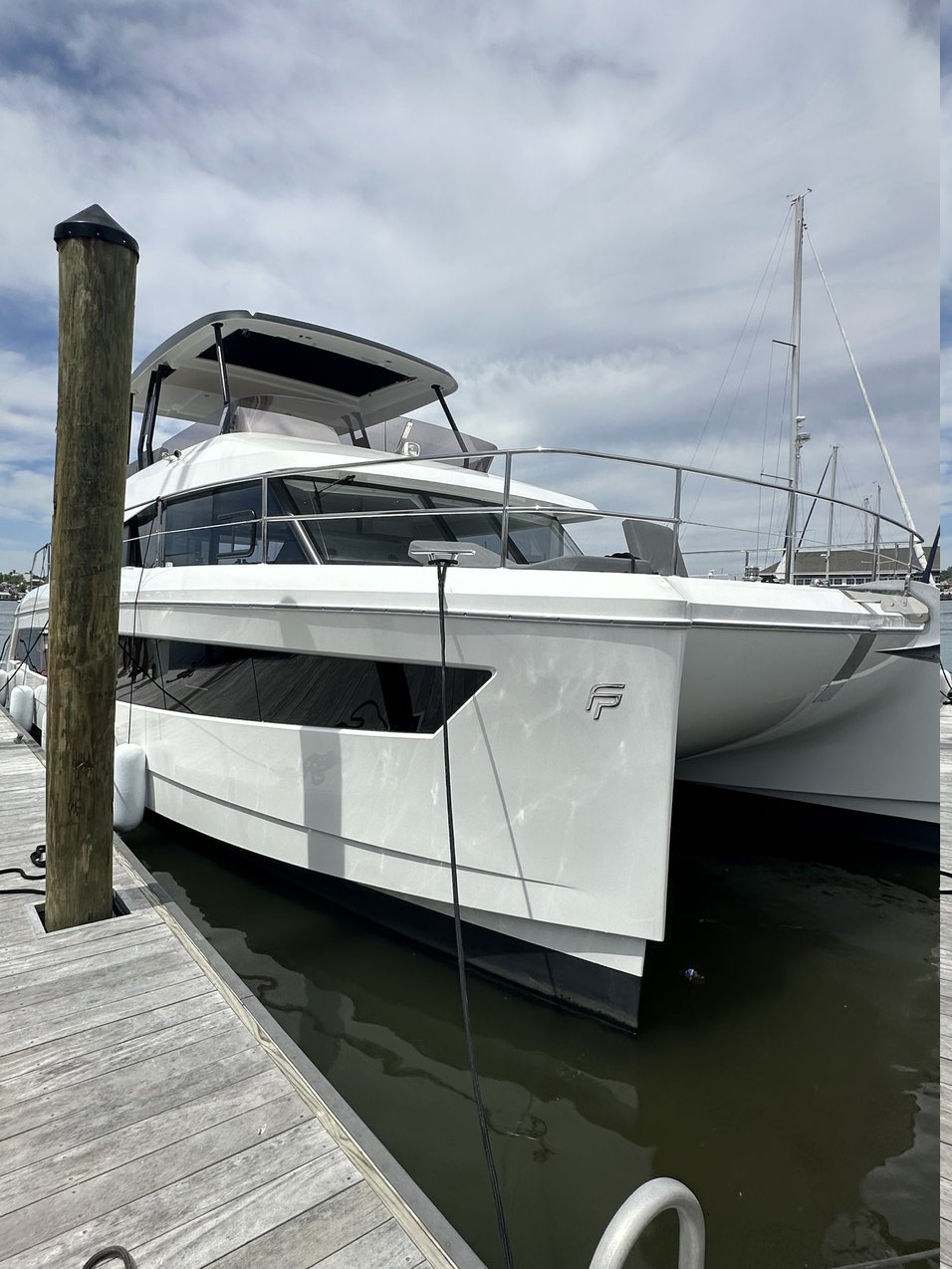
La Dolce Vita
Bareboat
Annapolis, USA
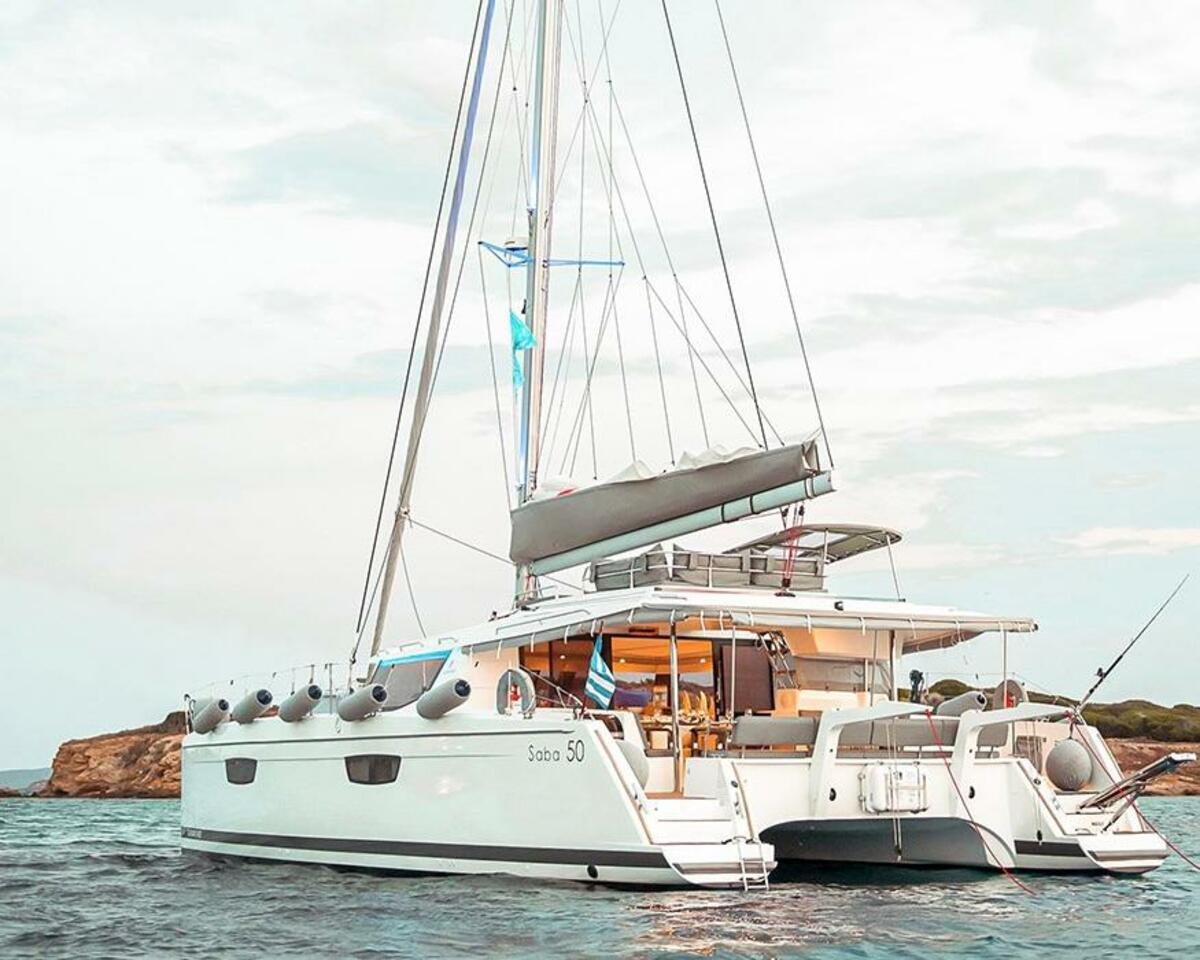
Balam
Crewed
La Paz, Mexico
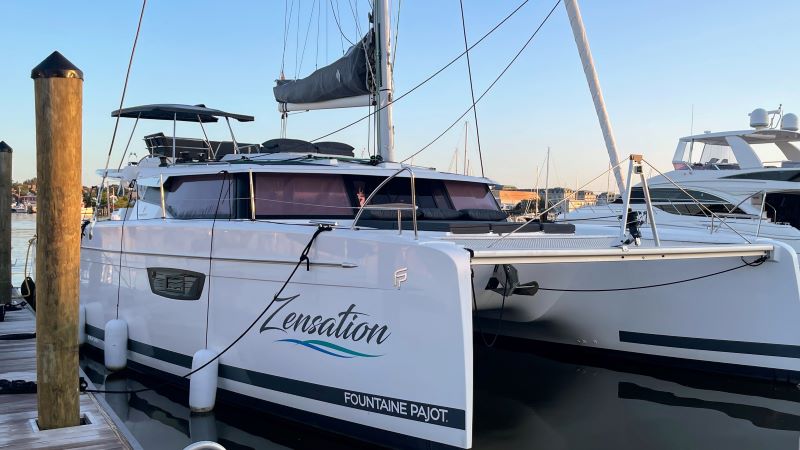
Zensation
Bareboat
Annapolis, USA
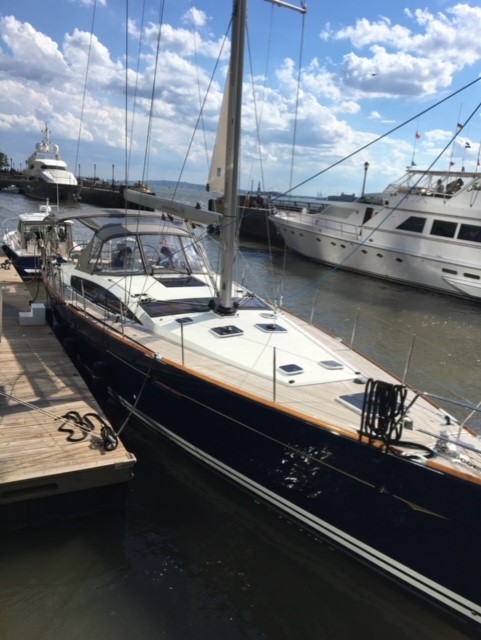
Padraigin II
Bareboat
Annapolis, USA
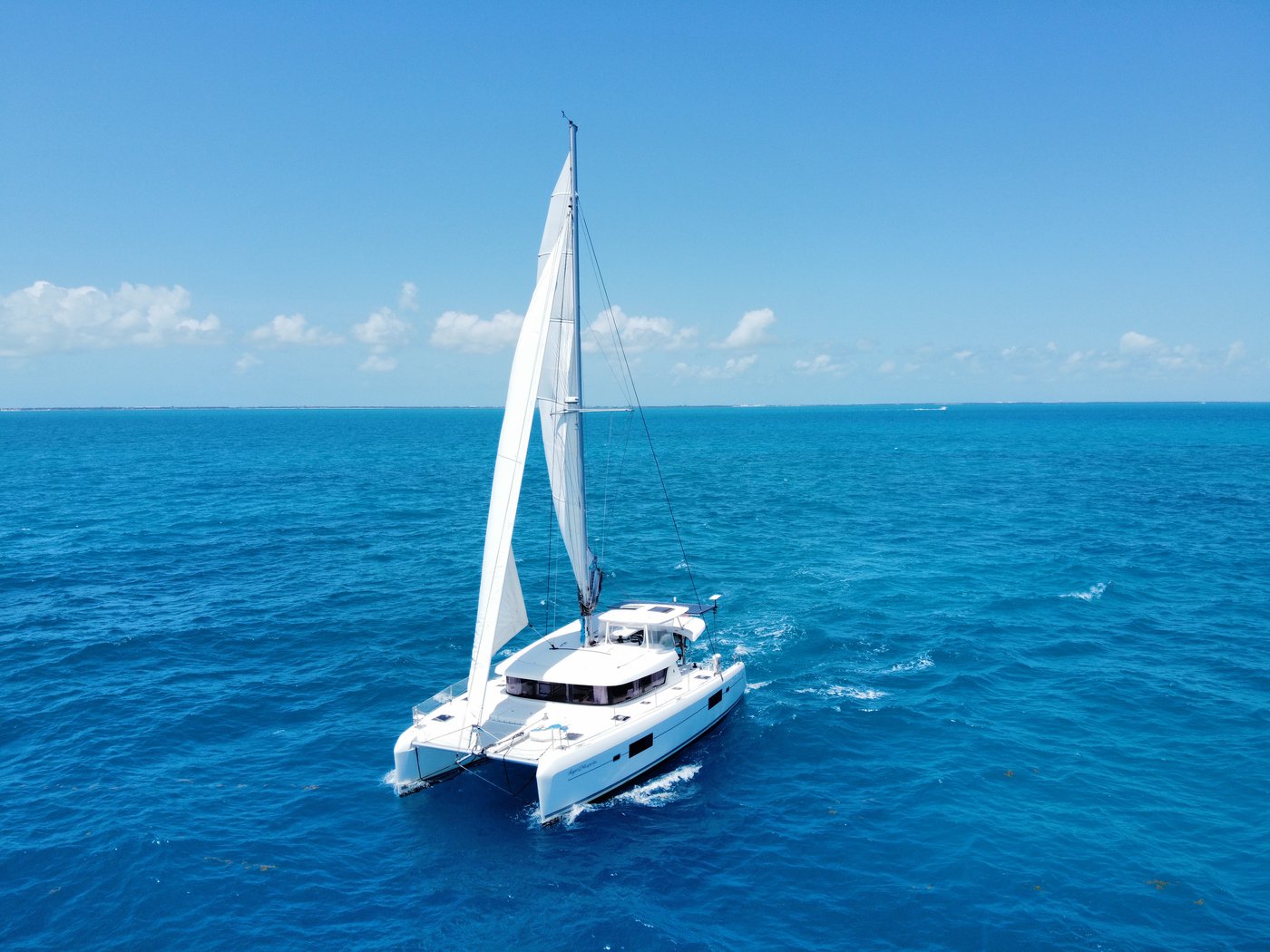
Sugar Magnolia
Bareboat
Key West, USA
Southern Cross
Bareboat
Key West, USA
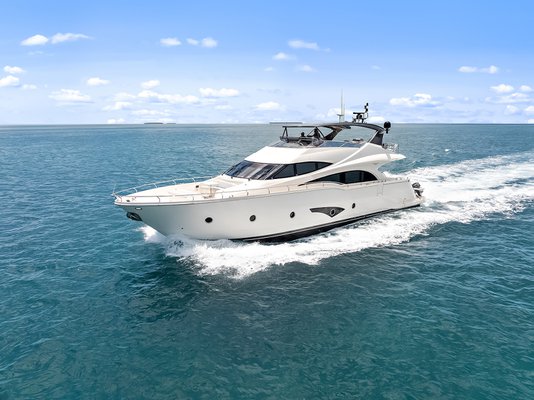
After Parr T
Bareboat
Key West, USA
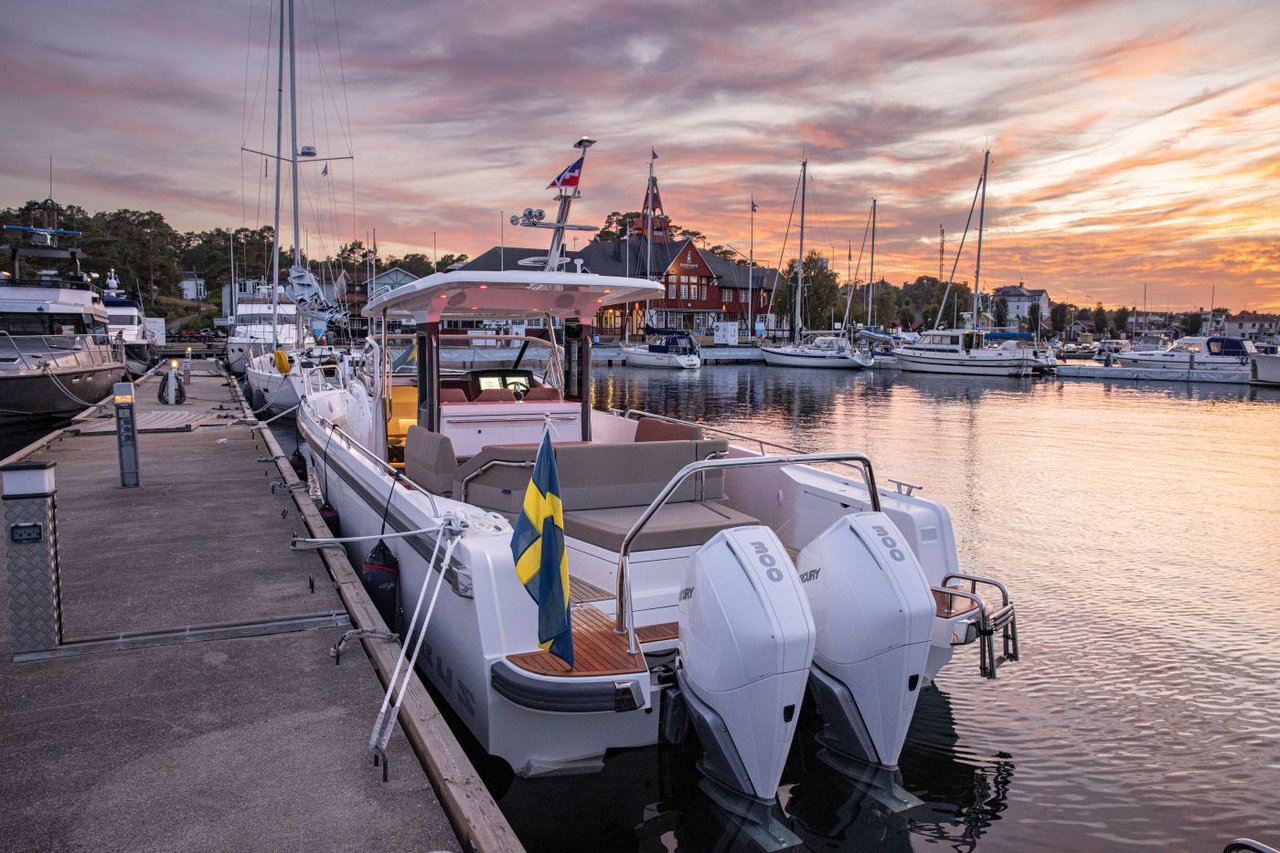
Rosie
Bareboat
Annapolis, USA
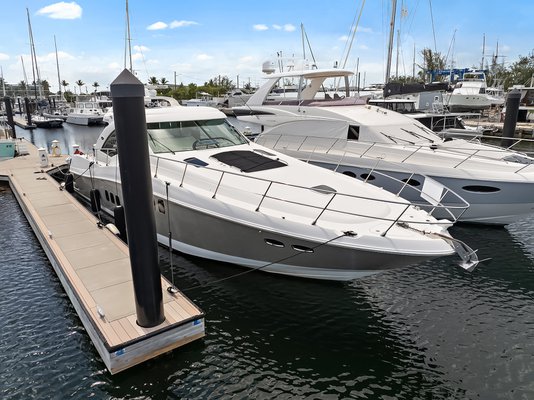
Parr T On
Bareboat
Key West, USA
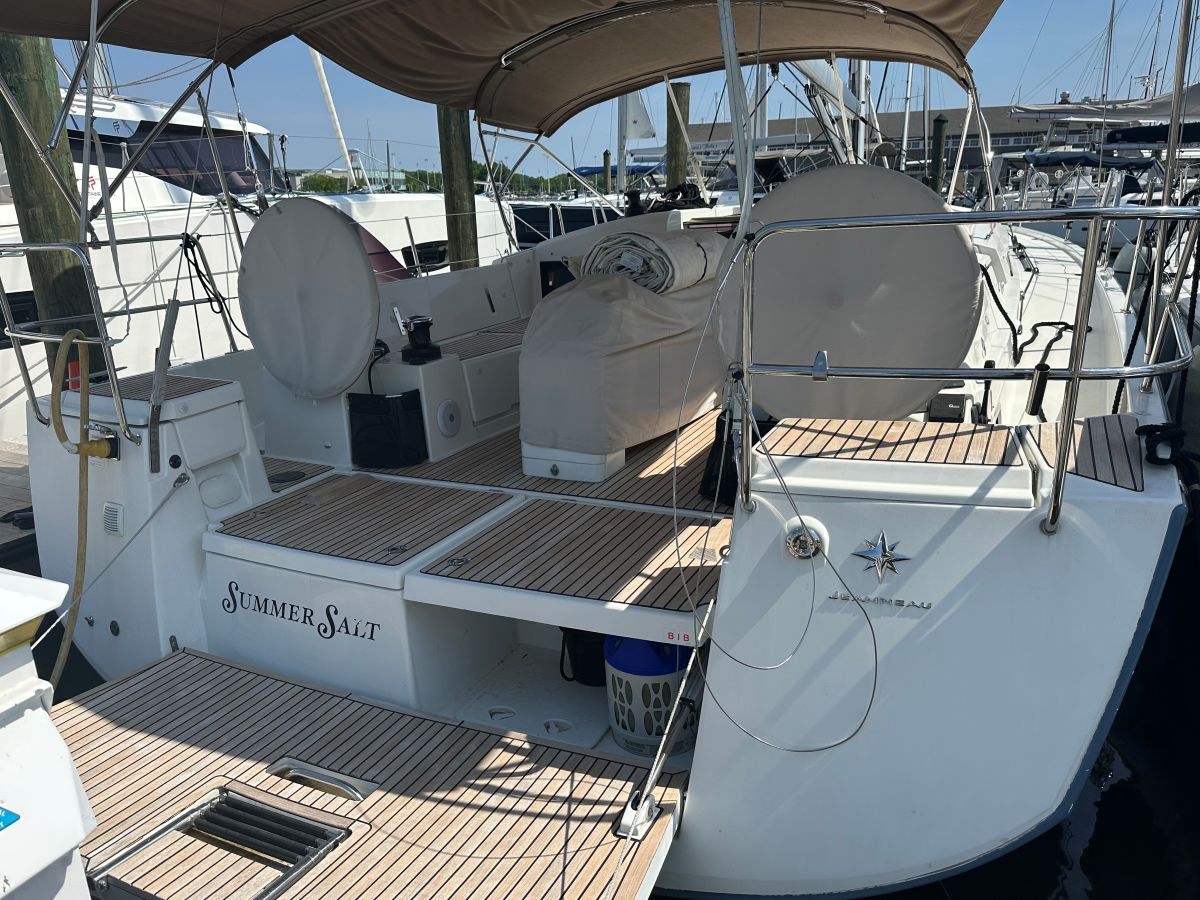
Summer Salt
Bareboat
Annapolis, USA
USA questions
Asked and answered.
Do I need a licence to charter a yacht in the USA?
When is the best time to sail each US coast?
How much does a yacht charter in the USA cost?
Where should I start my charter?
Which US coast is best for families and first-timers?
Do I need a visa to sail in the USA?
Can I do a short sail rather than a full week?
Where can I sail in USA?
How many yachts are available in USA?
How do I get a quote?
By the cabin
Cabin cruises in USA
Scheduled crewed cruises — book by the cabin and share the yacht with a small group.
Real people
Talk to a human
A real person reads every message and replies within 24 hours — no bots, no auto-replies.
- Honest advice from sailors, not salespeople
- We reply within 24 hours
- No spam, ever
Talk to an expert
Get three options.
Real sailors who run the trips — tell us your week, your group and your vibe. Same day, we send three boats, three prices and the honest trade-offs. Boats we would put our own families on.
Final boarding call
Why not you?
New sailors, beginners or seasoned skippers — tell us when, where and how many. We send three real options the same day. No spam, no fluff, no commitment.